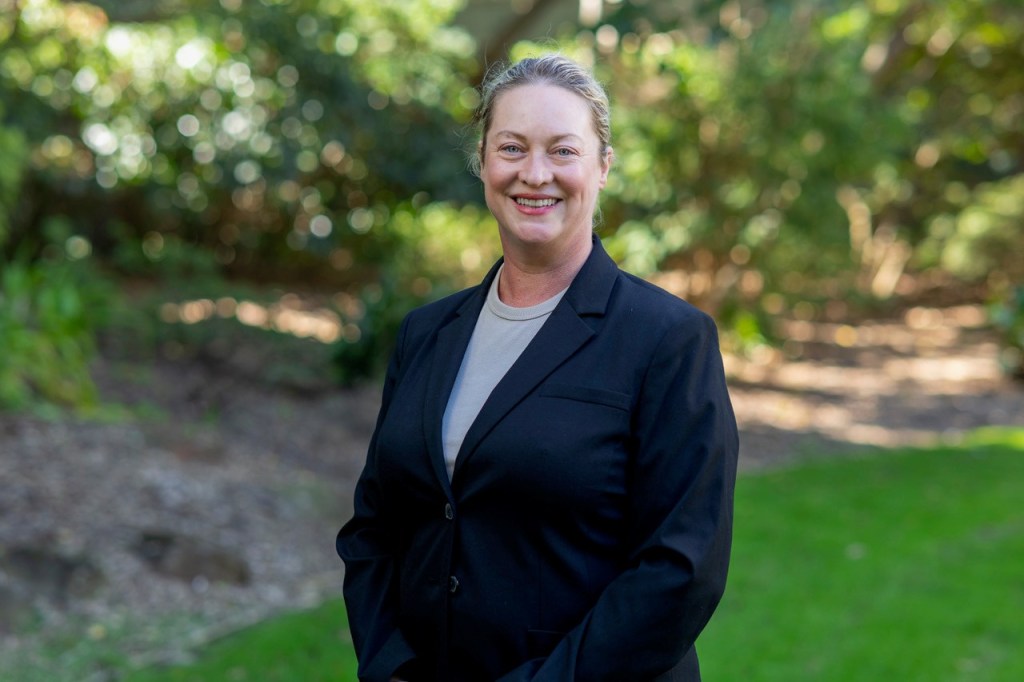
The project comprises a team of researchers from University of Technology Sydney, Swinburne University, University of New South Wales and Latrobe University
Amelia Johns is Associate Professor of Digital & Social Media in the School of Communication, University of Technology, Sydney. Her work focuses on social media, digital trust, digital literacy and safety. Her recent work has focused on misinformation, platform governance and trust on WhatsApp and other platforms.
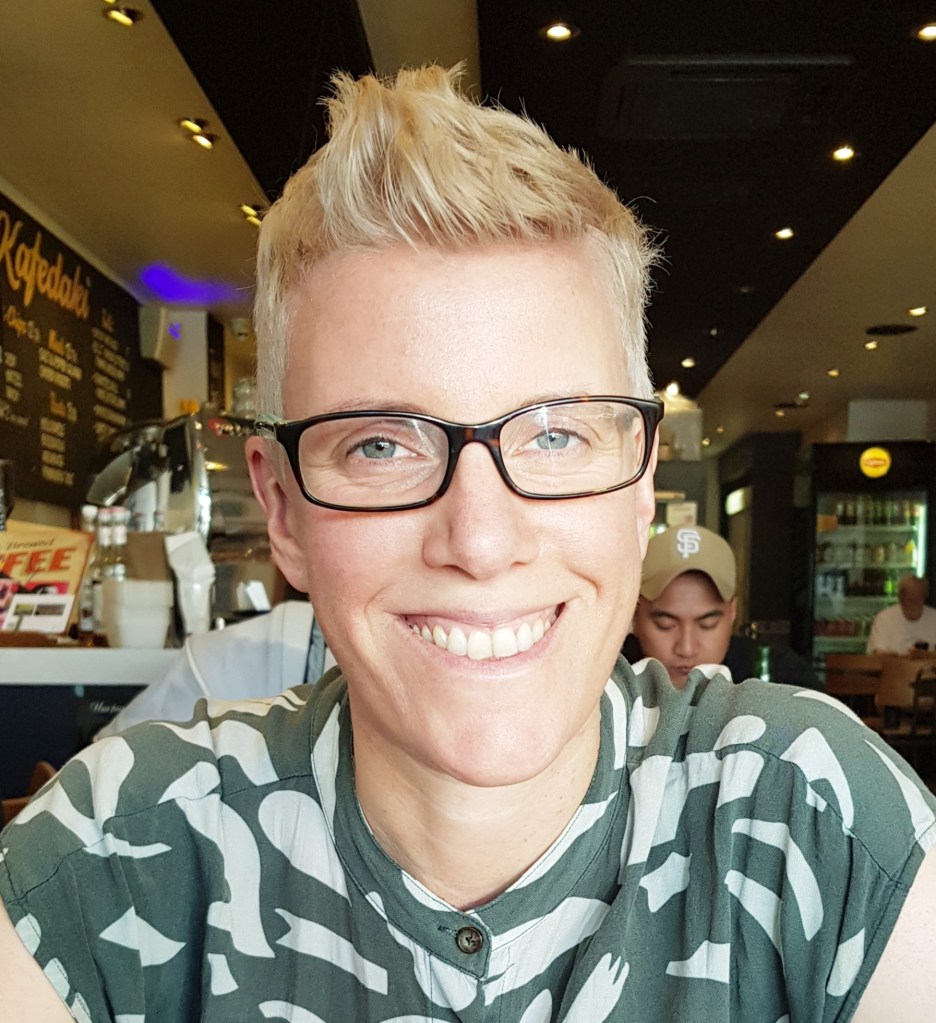
Anthony McCosker is Professor of Media and Communication in the School of Social Sciences, Media, Film and Education, and Director of the Social Innovation Research Institute, Swinburne University. He is also Chief Investigator in the ARC Centre of Excellence in Automated Decision Making and Society (ADM+S) (2020-2027). Anthony’s research addresses digital inclusion and inequalities associated with technology adoption.

Ash Watson is a Scientia Fellow and Senior Lecturer at UNSW Sydney. Her research explores the intersection of digital technology and social life. She writes on various topics such as artificial intelligence, civic cultural spaces like archives and libraries, digital futures, belonging, maps, literature, the COVID pandemic, DIY, and more.
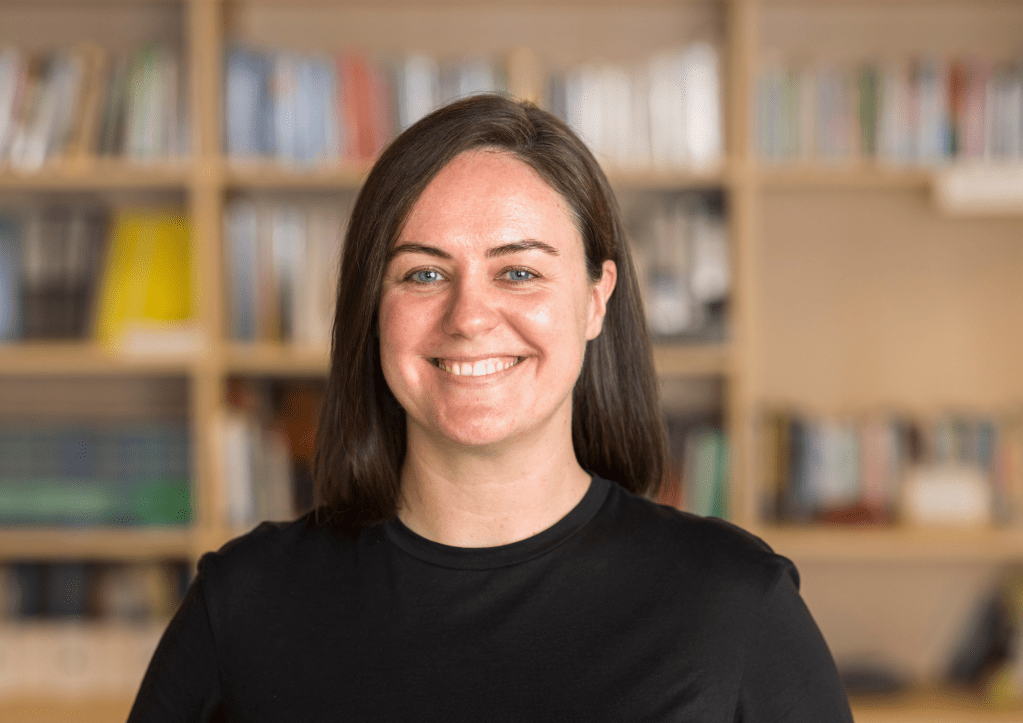
Dominique Carlon is a Research Fellow at the ARC Centre of Excellence for Automated Decision-Making & Society, working across the Critical Capabilities for Inclusive AI and Generative Authenticity signature projects. She is passionate about the relational dynamics between humans and the machine, and the societal and cultural implications of AI and imitative technologies.

Alexia Maddox is a sociologist of technology and Senior Lecturer at La Trobe University whose research explores how people make meaning, build community, and navigate risk in emerging digital spaces. Her work spans cryptomarkets, Web3 cultures, AI governance, and online safety regulation. She brings to the Electric Dreams project a longstanding interest in how people form relationships with digital technologies and what those relationships reveal about human connection and human-technology encounters.